Discover Kambala's Deep Cultural Roots
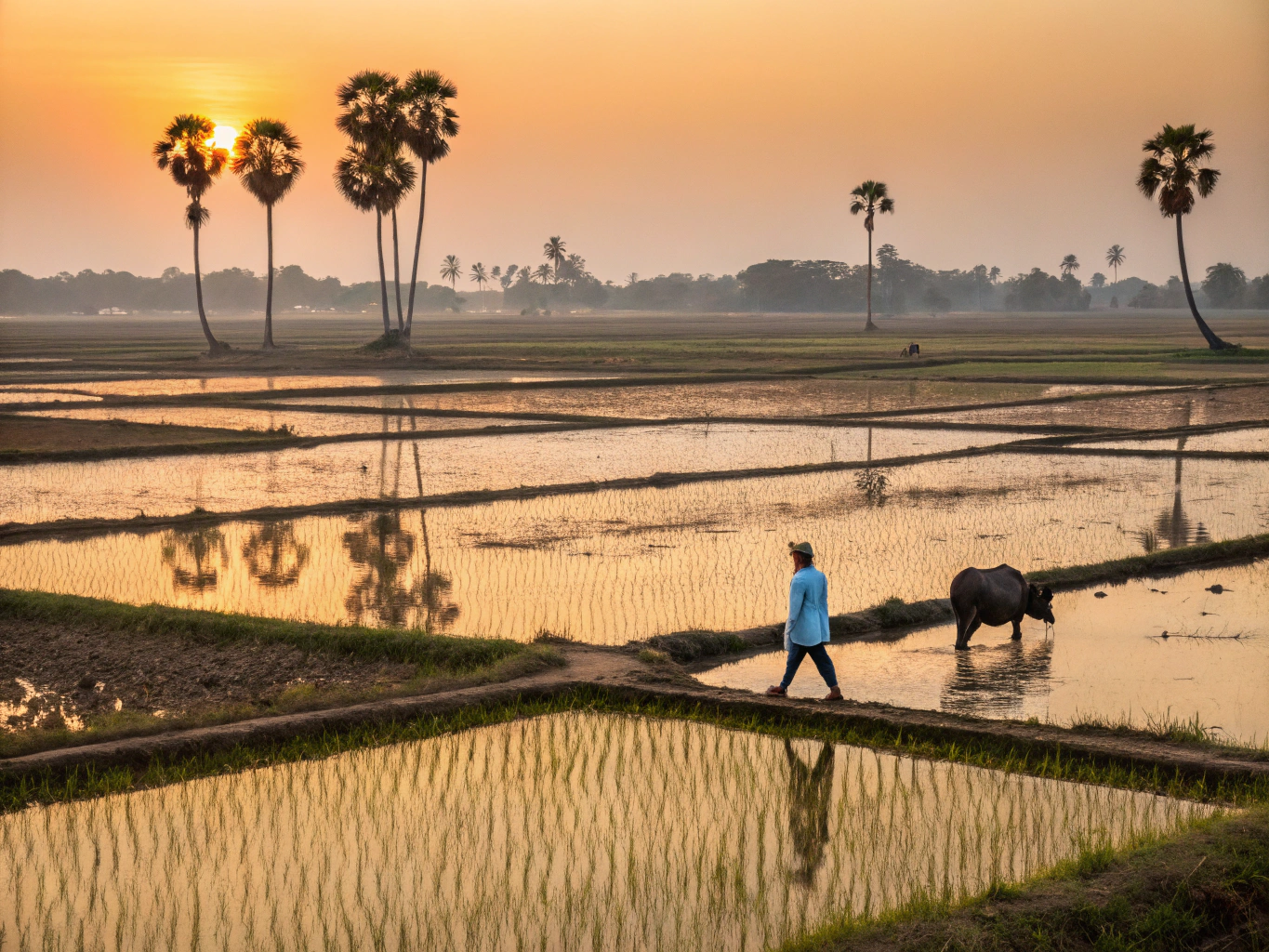
Journey into the heart of Coastal Karnataka. Explore the rich heritage, the unbreakable bond between farmer and buffalo, and the centuries-old tradition that defines our spirit.
The Heritage of Kambala
Discover the roots, significance, and enduring legacy of Coastal Karnataka's iconic buffalo race. A tradition where culture, courage, and agriculture intertwine.
Kambala is an annual traditional buffalo race held in the muddy paddy fields of Coastal Karnataka, primarily in the Dakshina Kannada and Udupi districts. It is a spectacular display of speed, strength, and the deep bond between humans and animals.
Originally celebrated to appease the gods for a bountiful harvest, Kambala has evolved into a grand festival. It marks the beginning of the sowing season and serves as a vibrant community gathering that reinforces social ties and regional pride.
For the farming community, Kambala is more than a sport; it is a tribute to the buffaloes that are integral to their livelihood. The health and vigor of the racing buffaloes are seen as indicators of agricultural prosperity and a successful upcoming harvest.
Kambala is a cornerstone of Tuluva culture. With aspirations for UNESCO heritage recognition, it stands as a testament to the region's rich history, drawing thousands of spectators and preserving ancient folklore, music, and communal traditions.
The event is steeped in rituals, from the ceremonial oiling and decorating of the buffaloes to the traditional attire of the jockeys. Authentic methods of track preparation and time-honored rules are strictly followed to maintain the purity of the sport.